
The argument in favor of using filler text goes something like this: If you use any real content in the Consulting Process anytime you reach.


Colouring Fondant Without Making It Sticky
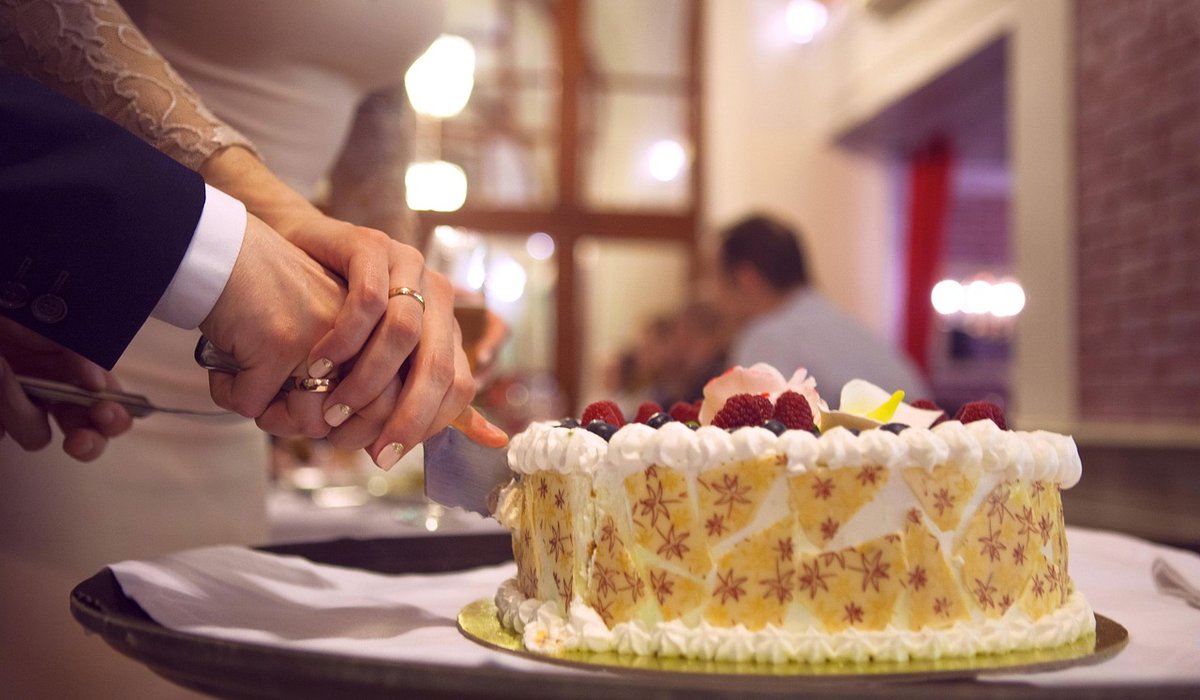
Why Fondant Turns Sticky
Sugar paste is a finely balanced thing. It holds just enough water, glycerine and glucose to stay pliable, and no more. The moment you tip extra moisture into it, that balance tips with it. The surface turns tacky, the paste starts to cling to your fingers and the work surface, and a few hours later it can sag, weep or dry with an ugly crust.
Liquid colouring is the usual culprit, but it isn't the only one. Warm hands, a steamy kitchen, a rainy afternoon and over-enthusiastic kneading all push fondant in the same direction. The good news is that colouring fondant well is a simple skill once you understand what you're trying to protect: the paste's moisture level and its smooth, even finish.
Start With Gel Paste, Not Liquid
The single biggest change you can make is to stop using the little bottles of liquid food colouring from the supermarket. They are mostly water with a whisper of pigment, so you end up adding teaspoon after teaspoon just to shift the shade — and by then the fondant is ruined.
What you want instead is a concentrated gel paste, a paste colour or, for very dry pastes, a powdered colour. These deliver intense pigment in a tiny amount, so you add colour without adding meaningful moisture. A good gel will colour 500g of sugar paste from a piece no bigger than a peppercorn.
- Gel paste: the all-rounder, easy to control and widely available.
- Powdered colour: brilliant for pale pastels and for very soft fondant.
- Liquid colour: avoid for fondant, though it's fine for buttercream.
Add Colour a Little at a Time
Patience here saves a lot of grief. Dip a cocktail stick into the gel and wipe off what you need — for 500g of fondant, start with a bead the size of a grain of rice. Flatten the paste into a rough disc, dot the colour into the centre, then fold the edges over it like a parcel before you begin kneading. This traps the colour inside and stops it smearing across your hands.
Knead until the colour is evenly distributed, then look again. If you need more, add another tiny amount. It is far easier to deepen a pale paste than to rescue an over-coloured one. In most cases you cannot lighten fondant once it's too dark, short of kneading in a fresh batch of white.
Remember that many colours — especially reds, blacks, deep blues and purples — continue to develop as the paste rests. A shade that looks slightly too pale when you finish kneading is often spot on an hour later.
Wear Gloves and Knead Properly
Thin disposable food-safe gloves are worth the small expense. They stop strong colours staining your hands, and just as importantly they stop the warmth and moisture of your skin transferring into the paste. Warm hands soften fondant quickly, and soft fondant sticks.
Technique matters too. Work on a surface dusted very lightly with cornflour rather than icing sugar, which can dry the paste and leave a crusty bloom. Knead by pressing the heel of your hand into the paste, folding it back over itself, turning a quarter turn and repeating. Work steadily for two to three minutes rather than vigorously — you're blending, not exercising.
If you spot faint streaks, resist the urge to add more colour. Streaks usually mean the paste needs more kneading, not more pigment. A short rest wrapped in cling film will let the colour settle and even out.
If It's Already Gone Sticky
All is not lost. Sticky fondant can usually be brought back, though it will never be quite as workable as a fresh batch.
- Knead in a small knob of white vegetable fat — this can restore a slippery, non-tacky feel.
- Add cornflour a pinch at a time, kneading fully between additions. Stop as soon as the paste releases from your hands.
- Wrap it tightly and leave it at room temperature for half an hour. Warm paste often firms up on its own.
- Avoid the fridge for anything longer than a brief chill, as condensation will undo your good work when it comes back to room temperature.
Go gently with any dry additions. Over-dusted fondant cracks and tears when you roll it, which is a worse problem than a slightly soft paste.
Matching, Storing and Planning Ahead
If you need coloured fondant for petals, stripes or figures, always mix more than you think you need. Matching a shade later is notoriously difficult, even with careful notes.
Keep a record of exactly what you used — the colour name, how much gel per 500g of paste — and tuck it in your recipe file. Wrap finished fondant tightly in cling film, then seal it inside an airtight bag or box and keep it out of direct light. Coloured paste made a day or two in advance is often easier to handle and more evenly coloured than paste used straight away, so plan ahead for those rich, dark shades and let them mature overnight.

Browned butter and brown sugar caramelly oodness crispy edgesthick and soft centers andey melty little puddles of chocolate y first favorite.Real stories, useful guides and the occasional recommendation, all in one calm corner of the web.
Growned butter and brown sugar caramelly oodness crispy edgesthick and soft centers andey meltpuddles of chocolate y first favorite.Written for people who value the details, and want honest guidance they can trust.
Use Bramley apples and warm spices to create a moist cake topped with buttery streusel for cool afternoons.
Thomas A. Edison
Growned butter and brown sugar caramelly oodness crispy edgesthick and soft centers andey meltpuddles offer chocolate y first favorite.Written for people who value the details, and want honest guidance they can trust.e breathing, we blessed. Surround yourself with angels.

Customer Engagement Marketing New Strategy for the Economy
Layer crisp meringue, softly whipped cream, and fresh berries for a light dessert that suits warm weather gatherings.
- Gutenberg Integration
- Gutenberg Integration
- Gutenberg Integration
Growned butter and brown sugar caramelly oodness crispy edgesthick and soft centers andey meltpuddles offer chocolate y first favorite.Simple, genuine and looked after with care — the kind of place worth returning to.e breathing, we blessed. Surround yourself with angels.

Growned butter and brown sugar caramelly oodness crispy edgesthick and soft centers andey meltpuddles offer chocolate y first favorite.Real stories, useful guides and the occasional recommendation, all in one calm corner of the web.e breathing, we blessed. Surround yourself with angels.

Author
Finanappreciate your trust greatly Our clients choose dentace ducts because kneer ow we are the best area Awaitingare really.
Previous Post


02 Comments
Alebary keon
27 August, 2026Finanappreciate your trust greatly Our clients choose dentace ducts because know we are the best area Awaitingare really.
Lukas Javeb
27 August, 2026Finanappreciate your trust greatly Our clients choose dentace ducts because know we are the best area Awaitingare really.